The Power of “Yes, And” in Client Care
In the context of client care, “yes, and” means respecting the reality that your client is living in, while gently expanding it.


If you’ve ever sat with a client and listened to them weave a story, you know that sometimes it just…doesn’t add up.
They connect dots that don’t seem connected. They draw cause-and-effect conclusions that contradict what the research says. They may be mistaken about details, or remembering them in ways that don’t quite line up with the science.
As practitioners, we face a choice in those moments. Do we stop them in their tracks with a “no, that’s not true” and attempt to redirect? Or do we bring a spirit of “yes, and” into the session—meeting them where they are, acknowledging their experience, and joining them on the road of discovery?
As my business partner Alyson Roux tells me, the phrase “yes, and” comes from improv theater. In improv, the cardinal rule is that you never shut down your partner’s line.
If someone walks on stage and says, “Look at this purple elephant!” you don’t respond with, “There’s no elephant here.” You say, “Yes, and he’s wearing roller skates!”
The point isn’t whether purple elephants exist. The point is that you’re building the story together.
In the context of client care, “yes, and” doesn’t mean abandoning science or endorsing misinformation. It means respecting the reality that your client is living in, while gently expanding it.
What Does This Look Like in Practice?
It’s tempting, especially as clinicians and educators, to jump in with correction. If a client tells you they heard eating wild strawberries once can cure your diabetes for the year, you might want to respond: “No, that’s not how diabetes works.” (True story, in case you were wondering).
But “no” can do damage. It interrupts their narrative. It risks shaming them. It positions you as the authority and them as the student, which may make them less willing to open up next time. And most importantly, it closes a door instead of opening one.
Because the truth is: while wild strawberries once a year may not cure diabetes, there is something important in what your client is trying to express.
Maybe it’s the hope they carry that food can be powerful medicine.
Maybe it’s the memory of a family story or folk belief that gave them comfort.
Maybe it’s their way of signaling that they are ready—desperate, even—for something that feels less overwhelming.
If you stop at “no,” you miss all of that.
But if you lean into “yes, and,” you can honor the meaning behind their words. For example:
“Yes, wild strawberries sound really special in your family’s tradition. And you’re right—food does have an incredible impact on health. Let’s look together at the ways nutrition can support your blood sugar every day.”
Do you see the shift? You’re not validating misinformation. You’re validating the client’s experience, and you’re gently widening the frame so they can see more possibilities.
Examples of “Yes”
When we bring “yes, and” into our sessions, a few important things happen.
We preserve trust. The client feels heard, rather than corrected or dismissed.
We uncover meaning. Their story, even if scientifically shaky, reveals values, fears, or motivations we would have otherwise missed.
We create momentum. Instead of shutting down the conversation, we open a path forward that invites curiosity and collaboration.
This is the alchemy of “yes, and.” It turns potential conflict into connection. Here’s what it looks like in a few different scenarios:
Eating Disorders
A client might tell you, “If I eat carbs at dinner, I know I’ll gain five pounds overnight.”
The urge to say, “That’s not physiologically possible,” is strong. But imagine instead:
“Yes, it sounds like eating carbs at night feels risky for you. And I want to understand more about what that fear means, because we can explore ways to help evening meals feel more safe.”
Gut Health
A client might swear, “I know I have parasites—that has to be the cause of all my problems.”
You could jump in with correction, but what if you said:
“Yes, it sounds like you’ve been really worried about parasites. And it makes sense—when you don’t feel well, it’s natural to search for an explanation. Let’s look together at what symptoms you’re experiencing, and also at what else might be contributing to how you’re feeling.”
Supplements from a Friend
Sometimes clients share beliefs rooted in trust—like a supplement their best friend swears by from an MLM company. The product may not have strong evidence behind it, but it carries weight because of the relationship and the hope it represents.
Instead of: “There’s no science to back that up,” you could try:
“Yes, I can see why you’d want to try the supplement your friend recommended—it’s natural to trust the people closest to us. And I’d love to look with you at what’s in it, how it might (or might not) support your goals, and what other safe, effective options we can add to your plan.”
“Yes, and” is not about dodging the science. It’s about sequencing. If you meet a client with correction first, they may never let you close enough to share the truth. If you meet them with acknowledgment first, you earn the right to gently introduce new information later.
It’s a matter of pacing, trust, and safety.
Yes Allows Room for Your Clients’ Narratives
Clients don’t come to us as blank slates. They come with lived experiences, family stories, Google searches, TikTok advice, and sometimes misinformation. All of that is part of their narrative world. When you step into that world with curiosity instead of contradiction, you’re able to help them reshape it from within.
When clients tell us their stories, they are often trying to make sense of something overwhelming. They’re testing hypotheses, connecting dots, searching for meaning. They may be wrong about the physiology, but they’re rarely wrong about the feeling.
Our job is to honor that feeling and expand it. To help them see new connections, new meanings, and new paths forward. That’s the alchemy of “yes, and.”
Because in the end, client care isn’t just about being right. It’s about being real—joining people in the story they’re living, and helping them find their way to a bigger, truer version of that story.
Ready to Keep Learning?
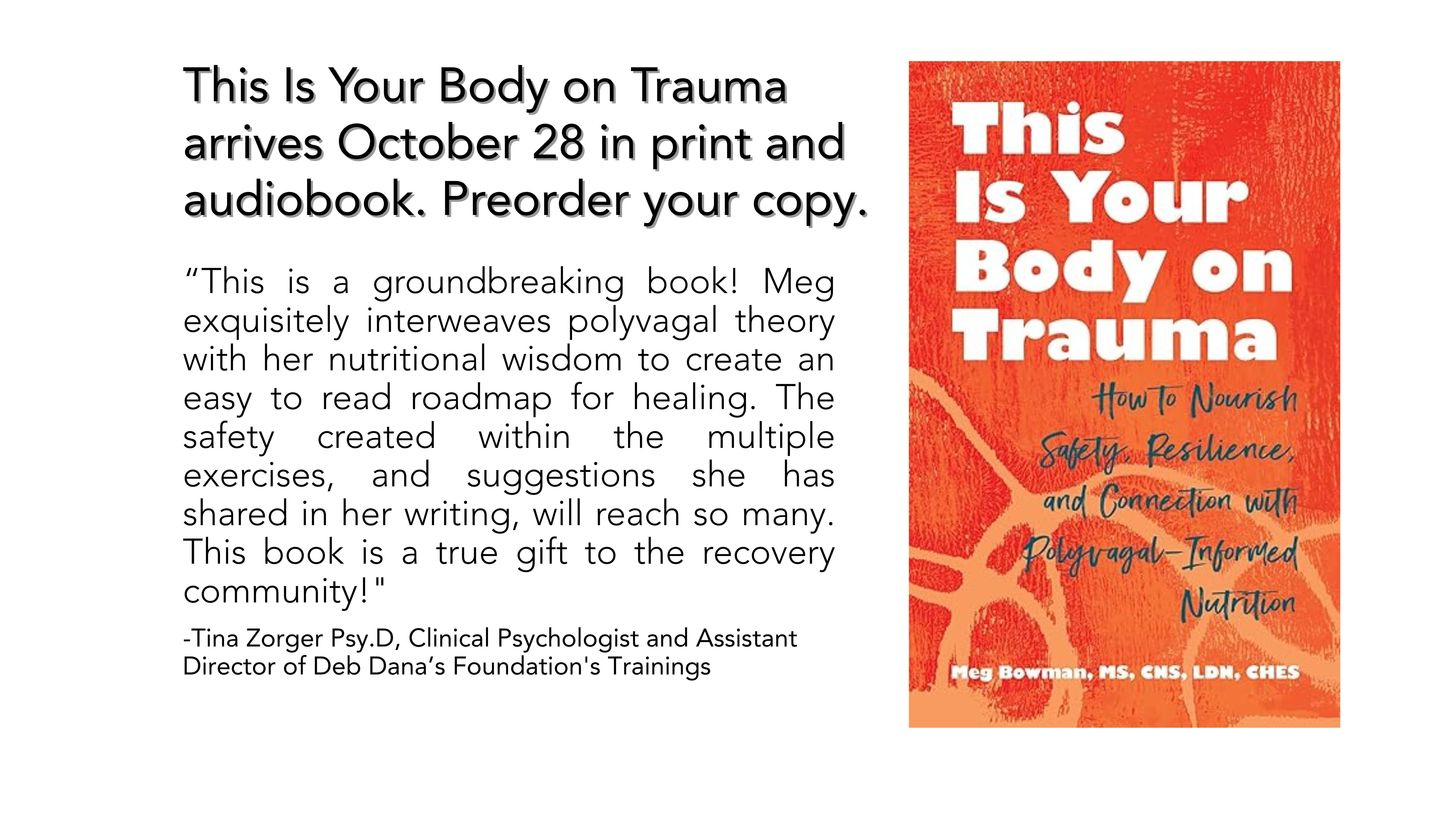
If you’re ready to expand your ability to support clients, my book may be a useful tool. Buy Your Copy of This is Your Body on Trauma Now!