
Who the Hell Cares About the Food Pyramid Right Now
Your nervous system is scanning constantly, planning, and preparing for danger. When that happens, digestion is no longer the top priority.

I have had a knot in the pit of my stomach for weeks. Watching the news has made focusing nearly impossible, and even basic work takes more effort than it otherwise would. I find myself moving through my days with a sense that things are deeply off, while still being expected to act as though everything is normal.
Even though I have not lived through something exactly like this before (waves generally at the shitstorm in the US), my body recognizes the pattern.
My body remembers, from past traumas, what it feels like to have adrenaline and cortisol flood my system. That knot in my stomach is achingly familiar. The racing thoughts that refuse to quiet. The urge to stay home and stay small, paired with an equally strong urge to go do something, anything, to restore a sense of control or safety.
This is what a nervous system in protection feels like.
And in the middle of all of this, I am also expected to “eat healthy.”
Let me be really clear: I don’t give a flying monkey what the food pyramid says we should eat right now. This is not a time to worry about your macros or your servings of vegetables or your fibermaxxing. If you have the privilege to worry about those things, kindly keep it to yourself and thank the heavens for your luck.
For everyone else, eat what you can, when you can.
What you are experiencing is trauma. Your nervous system is scanning constantly, planning, and preparing for danger. When that happens, digestion is no longer the top priority.
Hunger cues change.
Food tolerance changes.
For some people, hunger disappears entirely.
For others, it becomes loud and urgent. Some people forget to eat.
Others feel driven to eat constantly.
These responses can even alternate day to day or minute to minute.
All of them are adaptive, protective responses to stress.
This is where so much unnecessary shame creeps in. We tell ourselves we should be eating normally, whatever that means. We judge ourselves for skipping meals or for eating the same thing over and over. We worry that we are not doing nutrition “right” at the exact moment our nervous systems are working overtime to keep us safe.
Who the hell cares?
In times of trauma, the goal is not optimal nutrition. The goal is to get fed.
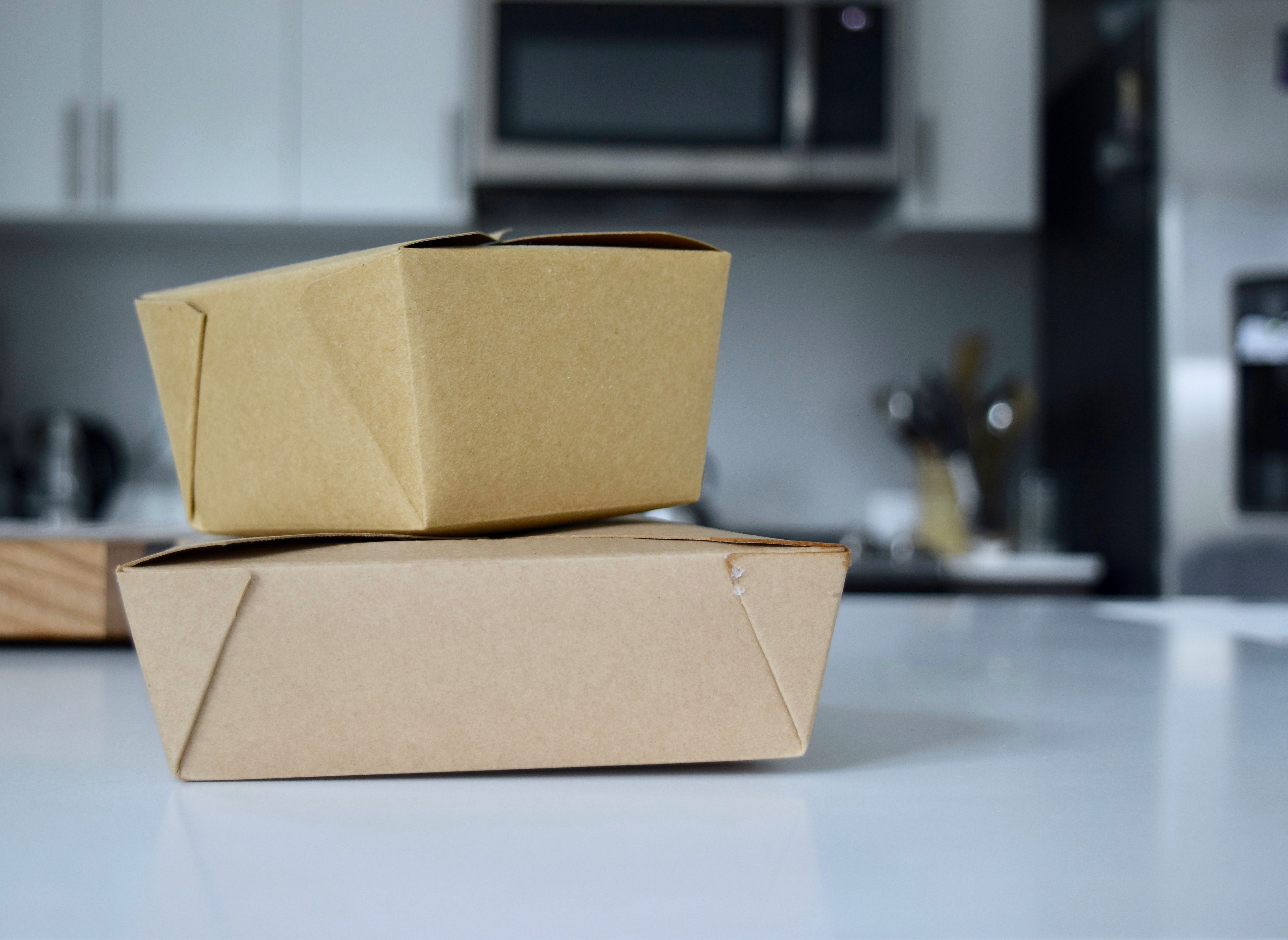
Getting fed might mean eating the easiest thing you can to get energy: Protein shakes, drive-through, noodles and butter, scrambled eggs.
Getting fed might also mean eating the same thing every day for a while because change and decision making feels overwhelming.
It might feel easier to get foods that have predicted safety in the past - think of your grandma’s chicken noodle soup.
And, getting fed might be eating foods that sit well in your anxious stomach, hello bananas, crackers, and white rice.
Eating something is better than eating nothing. Liquid energy (protein shakes, chocolate milk) can be easier than solids. Convenience foods count. Comfort foods count. Feeding yourself in any form is an act of care in a system that is under threat.
You are not weak for struggling with food right now. You are not undisciplined. You are not failing at health. You are responding to a world that feels dangerous, and your body is trying to keep you alive.
So if all you can do today is drink a smoothie, eat some rice, or grab whatever is easiest, that is enough. Being fed is enough. In moments like this, nourishment is not about doing it right. It is about staying resourced enough to keep going.
Join me in donating to an organization supporting food access in Minnesota.